Centesimus Annus: 35 years later

In the Catholic world, the month of May was specially dedicated to Mary the Mother of Christ. In recent years, or at least since the declaration of Pope Pius XII in 1955, the month of May opens with the Feast of St Joseph the Worker. St Joseph: Model of Lay Formation Since that time there has…

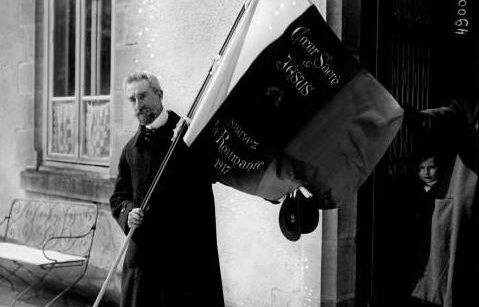
Vladimir Ghika

The cultural importance of noble holiness

A recurring theme at all our Thomas More Centre events over our last three years has been about refining what Christian faith and the faithful have to offer our society and culture. What makes Christian anthropology, Christian humanism, Christian virtue, Christian community so distinctive, so perennial and so important in our times of disorientation, upheaval…

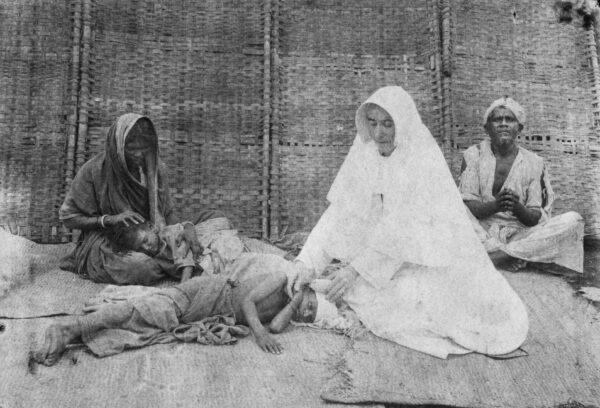
Healing mothers

1. The strong presence of mothers The secular “festival” of Mother’s Day just celebrated can seem to be just another point in the cynical commercial annual calendar, designed to part sentimental consumers from their hard-earned money. Despite the creation of the day in post-Civil War America, there is a more solid core to Mother’s Day…

Sigrid_Undset_at_Bjerkebæk

Resurrection & reality: Refreshed in Nordic air

On this Easter Sunday during the Easter Morning Mass in his Cathedral in Trondheim, Norway, the Trappist Bishop Erik Varden declared with his characteristically fresh crispness that we should keep the traditional Eastertide greeting: “Christ is Risen! He is Risen Indeed!” on the tips of our tongues. He urged his congregation (and his blog readers) that: “We…

Realising the drama of the Passion

In the liturgical calendar of the Catholic Church before the changes of the 1969 reform, the Church intensified the experience of Lent by calling the weeks from the 5th Sunday of Lent Passiontide. In a fascinating piece, the 19th-century Benedictine re-founder and liturgical scholar Prosper Louis Pascal Guéranger(1805-1875) explains how the Latin two-week intensified liturgical “sub-season”…

Incarnation & solidarity

Yesterday was the Feast of the Annunciation in the Latin and Byzantine (Gregorian) Church calendars. It marks for all Christians a cosmic, liturgical and historical pivot point. It celebrates the crucial dramatic moment between God’s Old and New Covenants with humanity. Read with fresh eyes, the biblical verses are still astounding. They record the moments…

Liturgical prayer, monasteries and sensitivity to the common good

In his uplifting opening welcome to the Thomas More Centre’s recent Christianity and the Common Good Conference (reported by the Ukrainian Eparchy), the Ukrainian Cardinal Mykola Bychok underlined the importance of founding our discussion about the common good in liturgical prayer and focus. The Cardinal said: “Your first theme today – ‘Prayer and Liturgy as the Foundation of the…

Exploring authentic human flourishing

One of the most evocative words in the English language is the word “flourishing”. It is a word that provokes a wide range of poetic, personal and theological truths. The English word itself derives from the Old French word florir, which means to flower or to be full of life and healthy growth. There is an…