This January in the south of our continent has been a tough one for our rural and regional people. The wild winds, bursts of stinking heat and even wilder grass fires have exacted a great toll on the land, on animals, on farms and on the lives of people.
Some areas are anxiously praying for rain, others for news from insurance companies, others are counting the costs of power outages and others wonder how to carry the growing personal burden of being part of a dwindling and ageing population of producers upon whom the urbanites seem to have little mind.
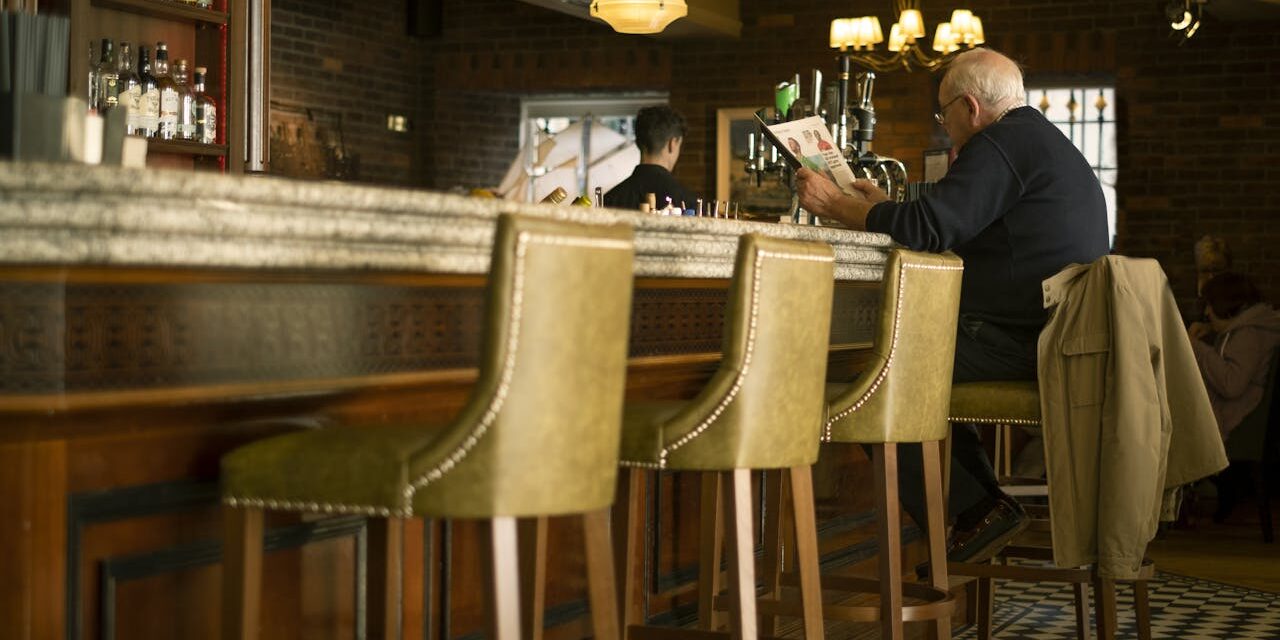
Yet these wiry and sometimes broken folk can still be found yarning in the local pub. Sometimes, they recount their woes to the air and to the kind and patient publican who rhythmically dries the beer glasses while she listens.
Particularly this month, it has struck me how the great Australian (and British and Irish) institution of the inn or, here, the local pub – without frills or gambling machines – is a close analogue or even sanctuary to social and human “capital”, and a hearth for the “common good”.
This institution is owned privately, but offers “common” hospitality and the great commons of conversation.
This fact has long been recognised by our Christian writers and saints.
Think of the centrality of the pub in Chesterton’s tales, particularly in the rollicking and newly relevant The Flying Inn– a precursor of the mobile coffee cart – but dispensing cheese, rum and resistance. The wonderful publican in that adventure is Humphrey Pump – or “Pump” for short – of whom Chesterton reflecting on his reticent wisdom writes: “His mind was a rich soil of subconscious memories and traditions; and he had a curious type of gossip.”
There is Tolkien’s Prancing Pony or, way back in medieval times, Chaucer’s Tabard Inn where the great pottage of pilgrims to Canterbury mixed and chewed the fat.
In Australia, the country pub is not like the trendy bar or the fashionable cocktail lounge. It is more about the people than the drinks. We found in January that we could order “bitters, lime and soda” with a smile when other venues had closed for refuge and hydration out of the fierce heat and motoring fatigue, without a hard sell for stronger liquor and higher takings.
In this type of pub you can exchange labour, find a shearer, get tips on your “renos”, post a sign for your lost sheep dog, find urgent toilets for the kids … this is community: not a romantic dream, but a type of gnarled miscellany.
How many people working the beer taps deserve a certificate in human psychology, or medals for tolerance? Many dispense in gentle and gruff ways what one friend calls a version of “the bush Gospel” – common sense, a proto-spirituality and real mercy-filled connection.
Pubs involve hard and long hours. We know of publicans who have tragically ended their lives under the load. Their work is a public service in so many ways.
The forthcoming Thomas More Centre Summer Conference on February 14, titled “Christianity and the Common Good”, aims to provide the sort of invitational welcome and inspirational conversation that is characteristic of the best pubs.
Our program will cross at least for a time from earthly commons to the heavenly ones with the deep undercurrent of the Byzantine liturgy and the wealth of the social teachings. It aims to provoke interaction, discussion and to inspire the participants to engage with the “common good” in tangible and intelligent ways.
We are very honoured to have as our key speakers Cardinal Mykola Bychok and Fr Simon Ckuj of the Ukrainian Catholic Eparchy, Fr Jerome Santamaria, and the Hon. Christine Campbell.
We are also delighted that the Hon. Tony Abbott AC will speak about his newest book, Australia: A History, at our conference dinner.
Bookings are open until this Sunday night, so if you haven’t secured your spot, book now here.
If you require assistance with booking or have any questions, please contact us at ad***@*****rg.au.
Looking forward to meeting many of our kind supporters.
Anna Krohn
Executive Director
Thomas More Centre